Planning Your Wedding Day Timeline
How to Plan Your Wedding Day Timeline (Without Feeling Rushed)
One of the biggest things that impacts how your wedding day feels isn’t just the venue or the details, it’s your timeline.
A well-planned timeline gives you space to breathe, stay present, and actually enjoy the day as it’s happening. A rushed one does the opposite.
After photographing weddings across Fredericksburg and throughout Virginia, I’ve seen how a few key decisions can completely change the pace of the day—especially when it comes to whether or not you do a first look, and how much coverage you have.
First Look vs No First Look
This is usually the biggest factor in how your timeline flows.
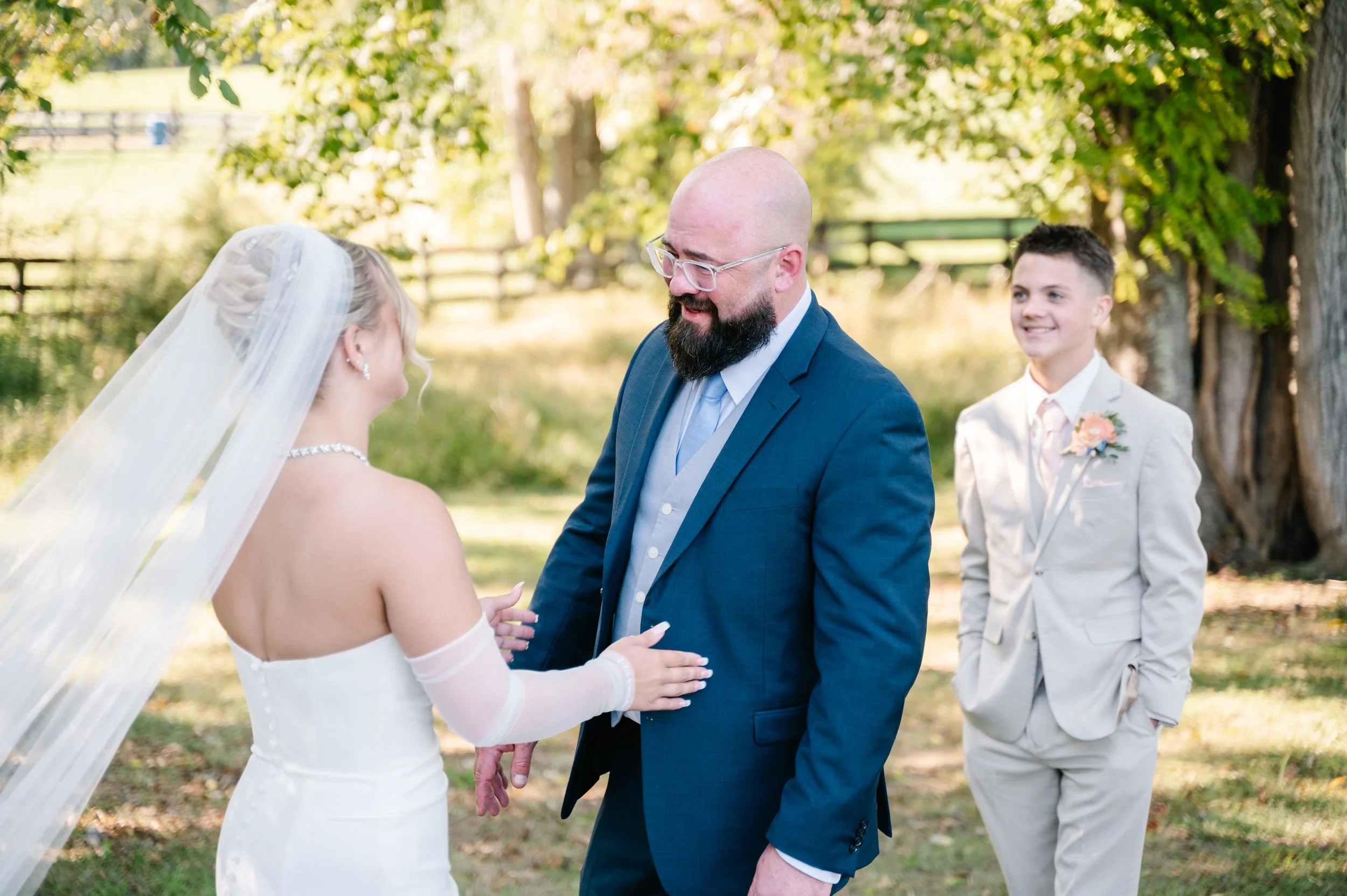
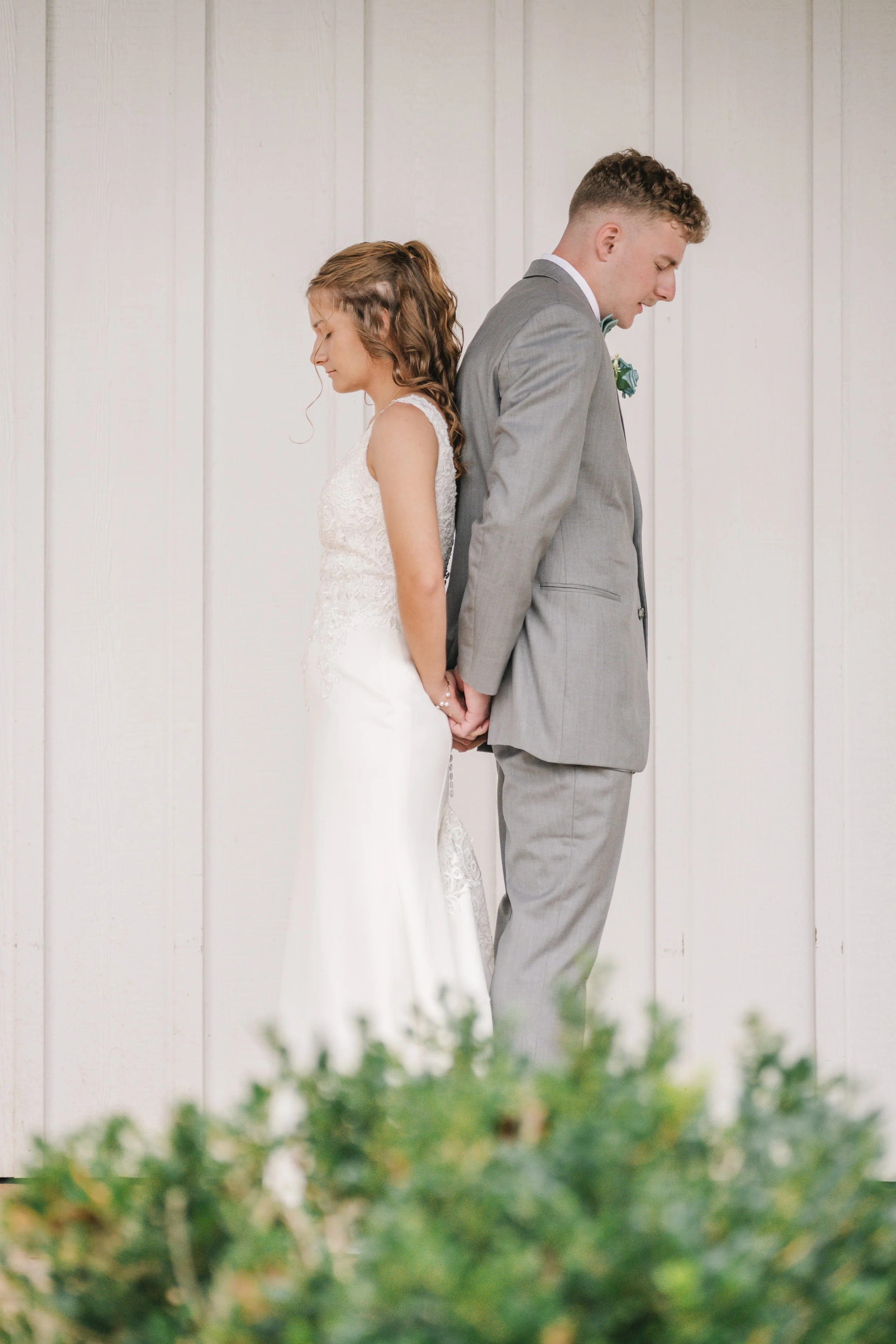
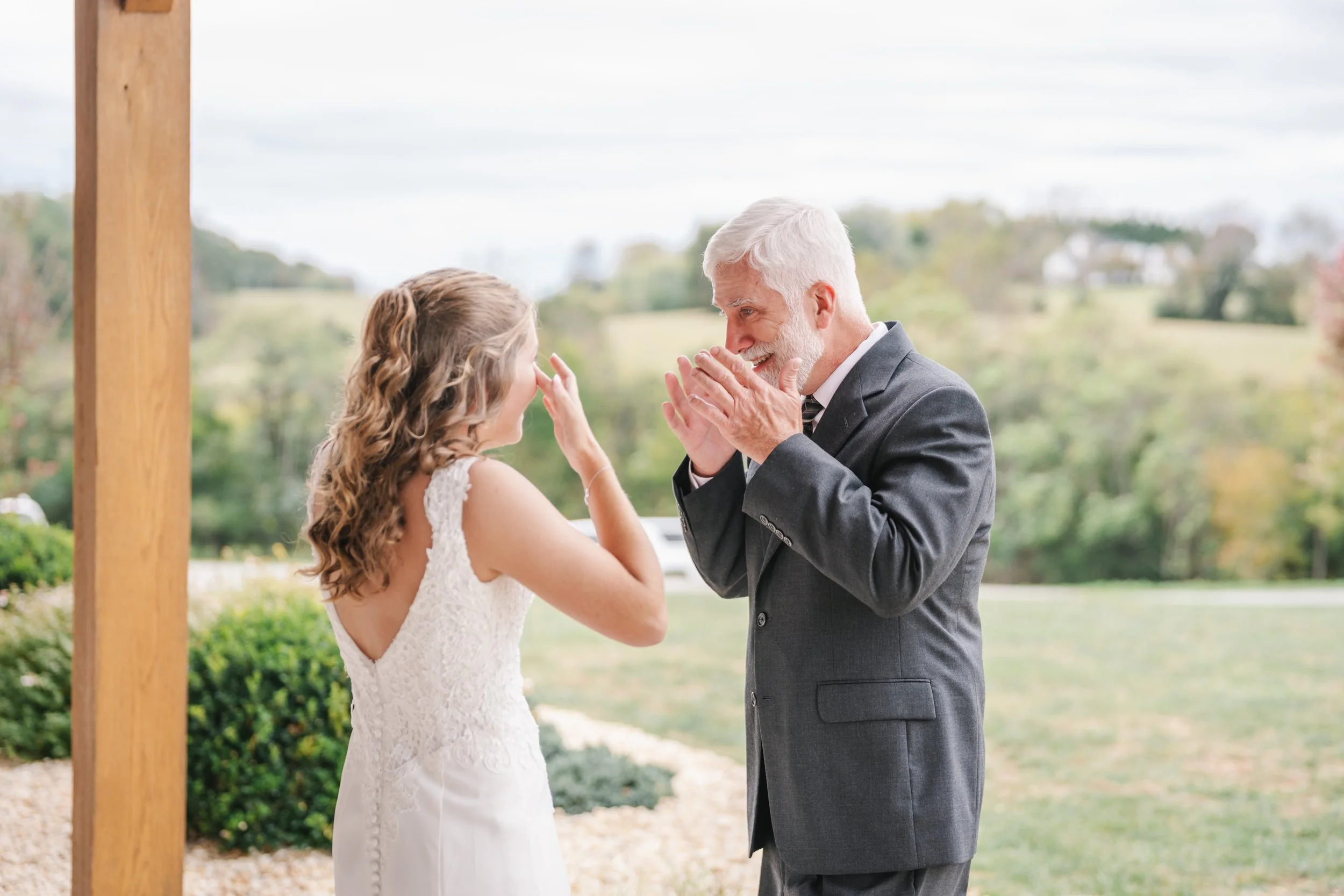
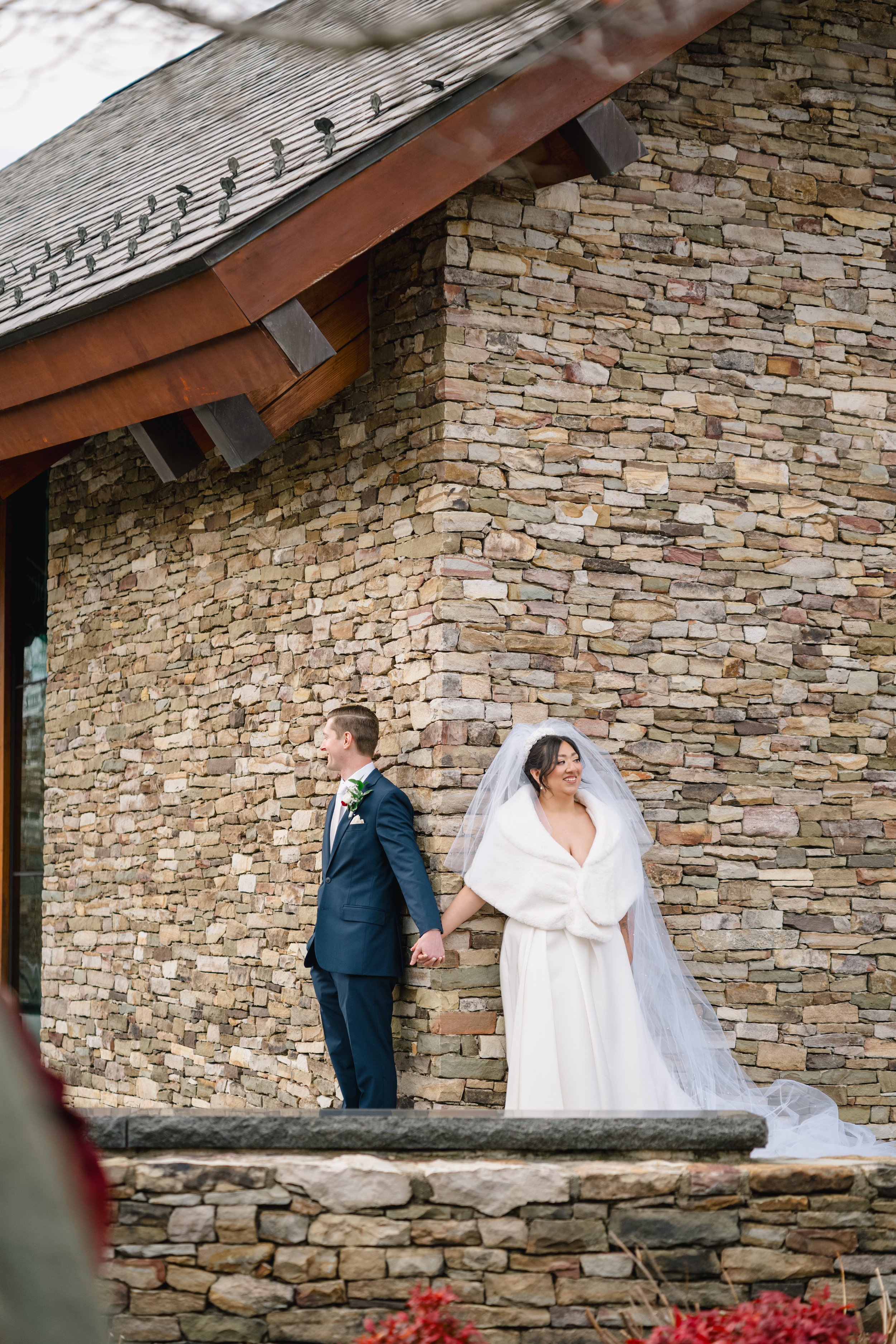
A first look gives you a lot more flexibility throughout the day.
Because you’re seeing each other before the ceremony, we’re able to take care of:
Couple portraits
Wedding party photos
Some family photos
…all before the ceremony even starts.
What this means for your day:
Less pressure after the ceremony
More time to enjoy cocktail hour
A more relaxed, evenly paced timeline
It also gives you a quiet moment together before everything begins, which a lot of couples end up really valuing.
If you choose not to do a first look, everything shifts later into the day.
All portraits happen after the ceremony:
Family photos
Wedding party
Couple portraits
What this means:
A tighter timeline after the ceremony
Less margin for delays
You’ll likely miss part (or all) of cocktail hour
There’s nothing wrong with this approach, but it does require a bit more structure to keep things running smoothly.
8 Hours vs 10 Hours of Coverage
This is the other big decision that shapes your timeline.
This isn’t just about how many photos you’ll receive, it directly affects how your day flows and how much space you have to actually enjoy it.
With 8 hours of coverage, the day is typically more condensed. It works really well when your timeline is straightforward, maybe everything is happening in one location, or you’re focusing on the main parts of the day without needing full getting ready coverage or a late-night send-off.
In those cases, 8 hours can cover everything you need while still keeping things relaxed and intentional.
With 10 hours of coverage, there’s simply more room.
You don’t have to make as many trade-offs. There’s time for getting ready on both sides, a first look if you choose to do one, and a more complete reception without watching the clock toward the end of the night.
It also allows the day to unfold more naturally. Instead of moving quickly from one part of the day to the next, there’s space in between. And that space is often where some of the best moments happen.
For most couples planning a full wedding day with multiple parts and locations, that extra time makes a noticeable difference in how everything feels.
Creating a Timeline That Feels Natural
The best timelines aren’t packed, they’re intentional.
It’s easy to underestimate how long things take on a wedding day. Getting ready can run behind, travel takes longer than expected, and small delays add up quickly. That’s why building in extra time wherever possible is so important.
Even something as simple as adding a few minutes of buffer before the ceremony or not stacking events back-to-back can completely change the pace of the day.
Lighting is another big factor. Planning portraits around the best natural light, especially closer to sunset, makes a huge difference in how your photos look and feel. It’s something I always help guide couples through as we build out their timeline.
At the end of the day, the goal isn’t to follow a perfect schedule. It’s to create a structure that supports the kind of experience you want to have.
Sample Timeline
Based on a 4:00 PM ceremony, 10 hours of coverage, and a first look. Every wedding will be different, but this may help give you a starting point!
12:00 PM — Photographer Arrival + Getting Ready Begins
1:30 PM — Bride Final Touches
2:00 PM — Groom Final Touches
2:30 PM — First Look (Optional)
2:45 PM — Couple Portraits
3:15 PM — Wedding Party Photos
3:40 PM — Ceremony Hideaway/Photographer Prep
4:00 PM — Ceremony
4:30 PM — Family Portraits with Couple/Cocktail Hour Begins
5:15 PM — Reception Details + Room Reveal
5:45 PM — Grand Entrance
6:00 PM — First Dance/Parent Dances
6:30 PM — Dinner + Toasts
7:30 PM — Golden Hour Portraits (Sneak away for 10-15 minutes)
8:00 PM — Open Dancing
9:30 PM — Night Portraits (Optional)
10:00 PM — Send-Off/Exit
Final Thoughts
There’s no single “right” way to plan a wedding day timeline.
Whether you choose to do a first look or keep things traditional, whether you go with 8 hours or 10, the most important thing is that your day feels like yours.
When the timeline is built well, everything else falls into place. You’re able to stay present, enjoy the moments as they happen, and trust that it’s all being captured in a way that reflects how it actually felt.
If you’re in the middle of planning and not sure what would work best for your day, I’m always happy to help guide that process and build something that fits your vision.